Plastic-free packaging is easier than ever to produce.
Alternative Options
Consumers are increasingly conscious of the packaging that comes with products they buy, and many actively seek out brands that prioritise sustainability. Choosing a plastic-free packaging design can improve your brand image and could even improve sales by appealing to eco-minded shoppers..
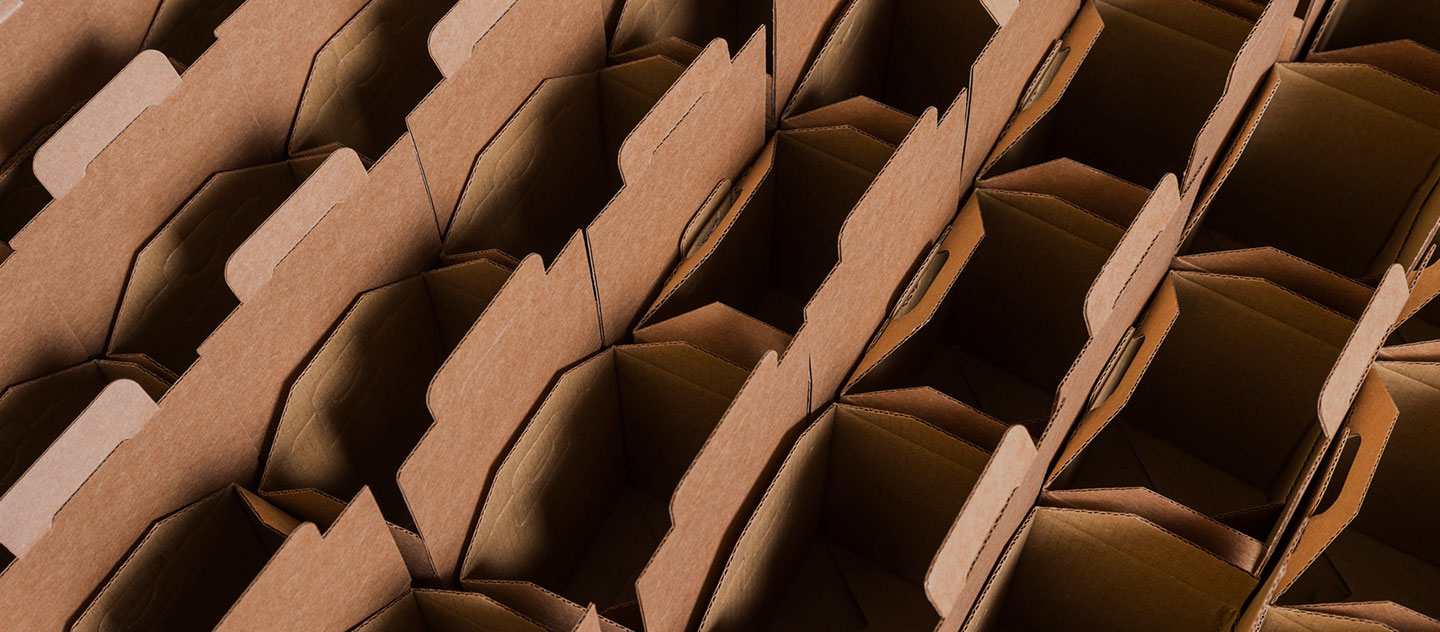
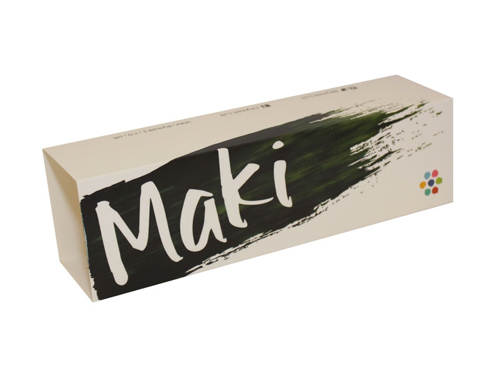
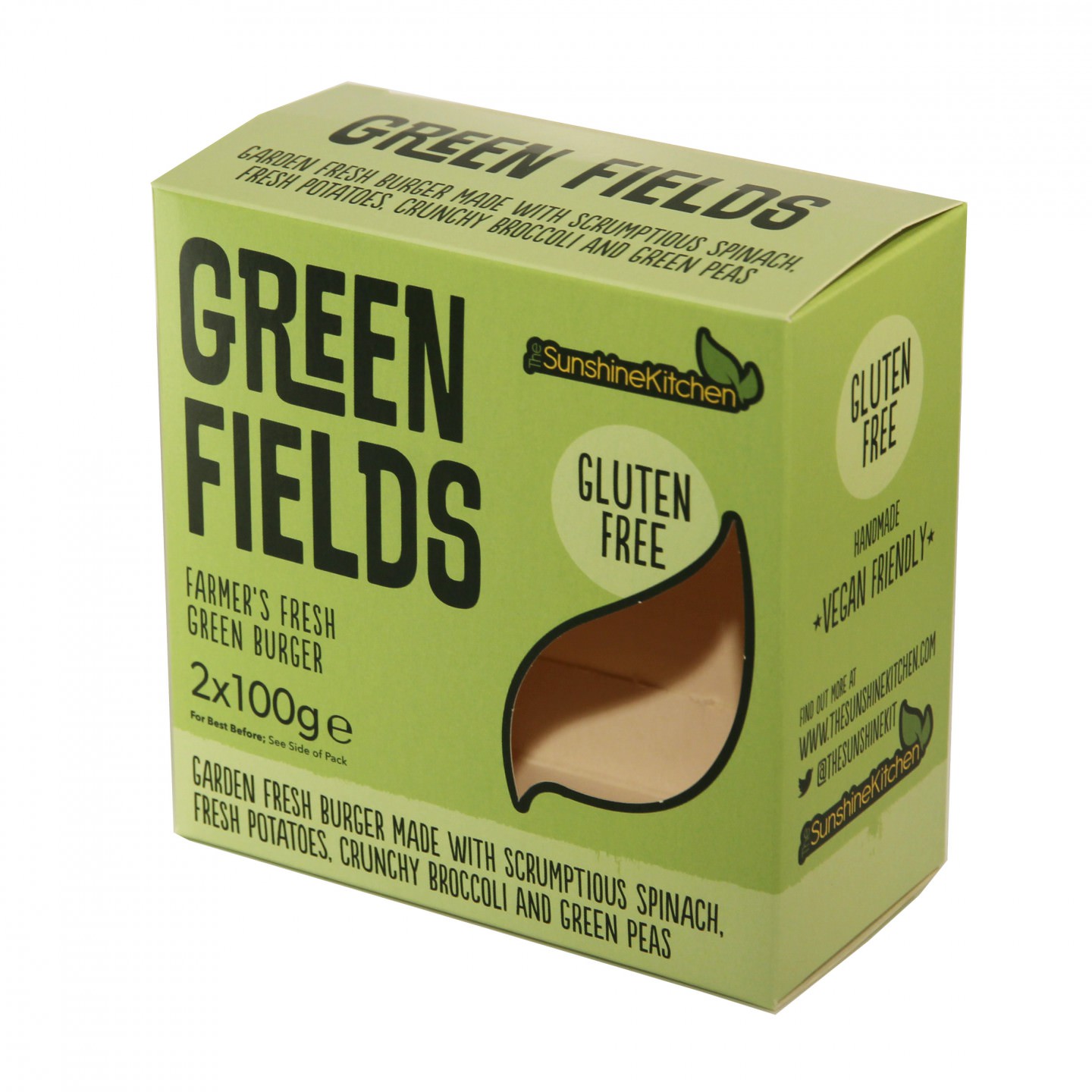
Cardboard and paper are some of the most ecologically friendly packaging solutions out there. Both are usually 100% recyclable, and even home compostable, making them easy for customers to dispose of responsibly. Plastic windows in cartons, which are common in retail packaging, can easily be replaced by photography of the product, or if the product really needs to be visible, there are biodegradable alternatives to traditional plastic packaging.
Using recyclable or compostable materials is a great way to show your environmental values to your customers. Cutting down on on plastic means also reduces the manufacturing carbon footprint, since producing plastic is energy-intensive and heavily dependent on fossil fuels. This equals less plastic waste and pollution overall.
Eco Plastics
It’s important to remember that not all plastics are the same; understanding the differences can help you make more informed packaging decisions. Plastics made from petrochemicals are potentially the most harmful to the environment. These plastics don’t degrade and often end up in landfill or our oceans. However, many of these conventional plastics are recyclable, which reduces the raw materials required in their production and ensures they don’t end up in the environment. Using recycled plastic packaging is a great step towards a fully sustainable business.
Some plant based plastics, such as cellulose films, are actually biodegradable. These materials naturally break down under the right conditions without leaving long-lasting residues. Others can have additives that make them degrade when exposed to certain conditions. While these solutions are not perfect for every application, they represent promising advancements in reducing reliance on fossil-fuel-based plastics and supporting a more circular packaging economy.
Why Avoid It?
There are several reasons you might want to avoid plastic in your packaging:
- Reduce the environmental impact of your products
- Support a circular economy
- Align with packaging regulations
- Appeal to eco-conscious customers
- Reaffirm your brand as green and caring
- Potentially increase sales or charge more for your products – a 2020 survey showed that 74% of people were willing to pay more for sustainable products
Any Questions?
Just Let Us Know
Just Let Us Know
If you have a design in mind, or even if you have no idea where to start, we'd love to hear from you. We can start working with you at any stage of the process - from the initial designs to the final printing. Feel free to call our friendly office team, or fill out a contact form to get a quote.